Seven Tips for the Theatregoer Or Sit Down, Shut Up and Quit Moving

9 Dec

Theatre Audience

I go to the theatre quite a lot, and so, I’m pretty familiar with certain rules in the theatre. Other theatregoers, however, aren’t always as familiar with these rules as I am. Which, to be blunt, is rather annoying to other theatregoers, the actors, the director and the theatre staff, and so, in the spirit of Christmas, a bit of fun, and my own sanity, here are my seven tips for every theatregoer.

Be On Time

Shows start at a certain time, and this time is on your ticket. If you arrive at the theatre late, then there is a chance that you might not be allowed into the auditorium as your late arrival could disrupt the performance. Most theatres have a latecomers policy – you can find this on your ticket – so make sure you’re familiar with that venue’s particular policy.

If you are running late, it’s an idea to phone ahead and see if the theatre will let you in later, or perhaps even if they could stall the show’s starting time by a few minutes for you – this is rare, but it does happen.

However, if you are late, and the theatre staff let you in after the show starts, and you have to ask people to stand up so you can get to your seat, then be polite and extremely apologetic. Believe me, other theatregoers don’t appreciate latecomers any more than the actors/director/venue staff do.

Find Your Seat 

Now, I know the quality of seating somewhat varied between theatres, and sometimes it isn’t entirely clear where your seat is, but this is why theatres have signs and ushers; to show you where you should be sitting. If you’re ever unsure, ask. Don’t just sit down on the first seat you find; sitting in someone else’s seat is a sure-fire way to make you very unpopular very quickly. Find your seat and then sit in it.

Be Considerate

Theatres can be very cramped places, which is funny, considering that they are designed for people to flock to and enjoy. Don’t get me wrong, they are very sociable places, but you need to be considerate of others’ personal space at all times. So, if someone needs to squeeze past you to get to their seat, stand up so that they can get to their seat quickly.

The auditorium isn’t your living room, so if you have your belongings strewn all over the floor, pick them up so the person squeezing past you doesn’t have to make their journey any more precarious. It’s only polite and have you ever had to struggle to climb over somebody else’s bags while trying to make your way to your seat? It’s difficult, isn’t it? It’s also not very graceful, and takes more time to do. So don’t sit there, and shift your legs slightly to one side, that’s lazy and unhelpful – stand up, smile and get out of their way.

Similarly, if you are the person trying to squeeze past, say phrases like: “Excuse me, please.” when you need someone to move so you can get to your seat and “Thank you very much, that’s very good of you.” when someone moves for you – you’d be amazed how many people forget these basic and very necessary utterances. Be polite and appreciative in both the auditorium and the bar, which can get very busy during the interval, so don’t forget your manners, please.

Switch off your phone

By ‘switch off your phone’, I mean don’t just put it on silent; switch it off, put it back in your bag, or your pocket and don’t look at it for the entirety of the performance, you can do this, it is possible. Also, switch it off when you arrive at the venue, not when you’re told to by staff, or just before the curtain goes up.

Theatre is about escape, it’s where you can lose yourself in another world, it’s a place where your phone and your social life are not important. Don’t even think about checking your phone for messages during the show, a silent phone still lights up when used, and that light is not only instantly noticeable  but also really very bright and annoying, so leave it in your bag.

Be silent

That thing on your face – your mouth – close it. Stop making noises, stop talking to your best mate or whoever you’re at the theatre with about that dress an actor is wearing, or how funny that joke was. Silently close your mouth, and let not a sound come out of it unless you need to cough, sneeze or if something utterly amazing or distressing happens on stage.

The same applied to bringing in food –  only do this if you have to. Trust me, if it’s not the noise of you trying to rip open a packet of Maltesers with all the grace and artistry of a starving elephant attempting to open a Kilner jar full of peanuts, it’s the unimaginable noise that a single Werther’s Original makes when it’s being slowly unwrapped. Unwrapping it slowly doesn’t make it any quieter. So, if you must bring in food, (and I don’t think you need to) then please have it to hand and opened before the curtain goes up.

Be still

Is there any reason for you to be fidgeting? No? Then sit still. It seems like some people can’t watch a film or a show without fiddling with something on their person, such as a work pass, a necklace, their hair, or a really pretty, but far too noisy bracelet.

What some people forget, is that when they go to the theatre or even the cinema, is that fidgeting isn’t necessary in public. I once saw a woman take off one of her sandals and then proceed pick at the dry skin on her feet during an Edinburgh Fringe show; she did it for so long that a little pile of dead skin formed on the floor, which being a Fringe venue, also happened to be the stage. She had no idea she was doing it, it just seemed to be a bit of a habit for her, regardless of where she was.

So stop playing with stuff, chewing your nails, stroking your hair, picking at your feet and mucking about with your keys/lanyard/loud jewellery and be still, it’s very distracting.

Get Out

If you’re not enjoying the show, grab your stuff, stand up and leave the theatre quietly. There are other people there who would like to keep watching the show, so by all means, leave, no one is stopping you. Don’t sit there moaning about the show, or trying to distract yourself with your phone, shut up, stand up and get out of the theatre.

The Joy of Rejection in Journalism

2 Dec

Journalism Rejection

When I was 16, I was dumped by my then-boyfriend via text message. This was not just any text message. It was a three-part text message, in which parts one and three arrived promptly, but part two, which was, incidentally, the most important part of the sorry texts (it said why I was getting dumped, but I can’t remember his reasoning now) arrived three hours later. I was completely crushed at the time, and while I can laugh about the entire situation now (dumped via text message? I mean, really?) my work as a journalist had re-acquainted me with the sometimes harsh realities of rejection.

I’m now much older, and a little bit wiser than I was back then, but now I work in journalism, and rejection is part of the job description. Because freelance journalists spent most (read all) of their time pitching to editors, and perhaps even applying for other journalism jobs, they will have had their pitches and applications rejected a lot more than you think they might. Whether a journalist is established in their field or not, they will still get their ideas and work rejected by editors on a weekly, or perhaps even a daily basis.

Having a pitch rejected can at first feel like the end of the world; you’ve worked hard on an idea, or an application, sourced the right publication and pitched your idea for an article in a clear and professional way. Or in the case of applying for a job, provided lots of relevant information and previous work in the job application. However, having a pitch rejected is most definitely not the end of the world, and once it happens to you a few more times, it gets easier. I’m not saying that you are going to develop a rhino skin overnight, but remember that rejection is something that unites a lot of industries, from journalism, to writing, to design, to acting, dancing, music and much, much more.

So how do you deal with rejection? The writer and journalist, Kirsty Logan, wrote a few choice words about having her work rejected in her IdeasTap column in the summer, and they are words that I have decided to live by. I would highly recommend reading her piece and her other work if you get the chance, but the crux of her argument is this; rejection in the writing industry is inevitable, so we should learn to embrace it, and see it as an indicator that we are seizing relevant opportunities.

To Kirsty’s words of wisdom, I would add the following advice:

  • It’s not you that they are rejecting

Try not to take the rejection personally; the editor you are pitching or applying to probably doesn’t know you. They are only judging your writing, not your character.

  • All editors are different

You could work with one editor that loves your voice, your work and agrees with everything you have to say. Then you could work with one that just isn’t that into your writing style.

  • There wasn’t a space for your story

Even if you pitch the right publication or editor, your story might just not suit them at that time. They could even have run a similar story recently, and don’t want to revisit the subject. Don’t panic, this happens more than you might think.

  • Ask for feedback – if you got a response

Most editors will give you a reason why they didn’t commission you, or why they didn’t invite you for an interview, but if they don’t, ask for feedback, especially if you have applied for a job.

However, some publications don’t respond to job applicants, who could benefit from feedback on their application. But when they do, it can be invaluable, in fact, here’s an example of when I did ask for feedback on two separate job applications, one year apart, for the same magazine.

Last year I applied for the role of Assistant Editor at an Edinburgh Fringe publication that I had written for previously in 2010. I didn’t get the job, but when the editor of the publication emailed me to let me know, I responded and asked if they had any writing jobs available. They did, and I built up a rapport with both the editor and assistant editor, and I ended up writing for them, plus taking on extra commissions when they asked.

This year, I applied to write for the same Edinburgh Fringe publication, and because of the amount of work I put in the year before, I was hopeful that I would get more work with them. However, the people I had worked with previously were no longer working there, meaning that the editorial team were almost all brand new.

My application was refused this year, and while the new editor was very polite in all correspondence, when I asked for feedback, they said that I needed to “…build up my writing portfolio, as that was what we are looking for.” Considering my past work for the publication, my existing work within the Scottish theatre community and the fact that this was the fourth Edinburgh Festival Fringe I was going to review at, this rejection was tough – I had a very strong portfolio. I didn’t respond to the editor, because they had made up their mind that I wouldn’t be writing for them this year. But like that ex that dumped me by text message, this is another experience to learn from – not all editors like my writing style, and that’s ok.

So, to all you young creative types, I say this: we’ve all faced rejection, we will continue to face rejection, the trick is how to deal with it; how to learn to roll with the punches and to keep persevering.

Trash Interviews Stewart Pringle

26 Nov

At this year’s Edinburgh Festival Fringe, I saw Theatre of the Damned’s As Ye Sow at the Pleasance Dome, and since then, I have been fascinated by the power and terror of Grand Guignol theatre, a genre which originated in Paris in the late 19th century.

A few weeks ago, I contacted Stewart Pringle, the Co-Artistic Director of Theatre of the Damned, who specialise in recreating the drama of the Grand Guignol, and asked if he would be interested in an email interview discussing the genre, and its legacy. He agreed, and here is the interview, republished in full.

Tell me about Theatre of the Damned, when did you become involved with the company? And why?

Theatre of the Damned was formed by my long-time collaborator Tom Richards and myself when we began to look for theatre projects to work on post-university. We’d staged an evening of Grand Guignol pieces in our final year at Oxford, and thought the genre and form was something which had great and untapped potential.

We started out by re-staging two of the short plays from our earlier production, and have grown from there to look at the wider Grand Guignol, as well as horror onstage considered more generally.

Theatre of the Damned now produces roughly two shows per year, as well as producing the London Horror Festival, which is a festival of new theatre and performance that sees companies from across the country come together to explore the possibilities of horror on stage.

Your emphasis is on the horror plays of the Grand Guignol, why did you decide to recreate this particular type of theatre?

I think it appealed to us because it was so rarely staged, because it opened up the possibility of attracting new audiences who may not usually consider going to the theatre, and because it can create such a visceral, immediate response from its audience.

The Grand Guignol itself was a fascinating development in theatre history, and can claim credit for being one of the wellsprings of European Naturalism, so we found it interesting from a historical point of view too.

Why do you think Grand Guignol was so popular with French audiences?

Well it wasn’t just French audiences, people came from all over the world to visit the Grand Guignol, it was a major tourist destination. But I think there was something in the liberalism of the French press and the lack of theatrical censorship that meant that the boundaries between high and low culture, between the ‘lower elements’ of society and artistic representation, were far more permeable than in, say, England.

You’ve got Zola and Husymans happily writing about prostitution, black magic and murder in their novels, you’ve got incredibly gruesome accounts of murders and mayhem in the press, and all of this made its way inexorably to the stage. At first it found its way to the Theatre Libre (the theatre of Naturalism that was the direct predecessor to the Grand Guignol) in its ‘Rosso’ plays, which were often adaptations of recent grisly news reports, and then eventually in the Grand Guignol itself, where things could take an even more fantastical and violent turn. The Grand Guignol staged similarly violent and salacious acts as the Theatre Libre, but without the necessity of verisimilitude to contemporary life. Writers could let their imaginations run amok.

Was there a genre in Grand Guignol that appears to have been performed more than any other, such as ghost stories, body horror, murder/morality plays?

It changed a lot over the years. The Grand Guignol was around for over 6 decades, and went under a lot of management changes. In general it was the more gruesome pieces which brought in the crowds, and the most famous pieces now (Kiss Goodnight, Crime in a Madhouse, The Kiss of Blood, all of which are revived semi-regularly in the UK) were often the most popular then. There weren’t many supernatural stories, though there were a high number of ‘mad scientist’ pieces, plays which explored the dark side of scientific experimentation. It’s a reflection of the high-speed of scientific advancement, the sense that morality could get left behind. It’s Frankenstein stuff.

You can find out a lot more about the Grand Guignol in both its Paris and short-lived London versions from Richard Hand and Mike Wilson’s two excellent books on the subject (available from Amazon, well worth a buy).

Grand Guignol was a highly influential medium of theatre, do you think it influenced horror (cinematic, theatrical) in other countries to a certain degree?

Absolutely. The greatest legacy of Grand Guignol is without a single doubt cinematic. Early horror cinema often took cues from it (unsurprising as a young James Whale actually performed in London’s Grand Guignol, as did early horror movie stalwart Todd Slaughter), and it’s a fair summation that the rise of Hammer Horror films had a lot to do with declining box office at the Grand Guignol.

The cinema offered far glossier and more accessible horrors than the old Parisian theatre, which by the 60′s had become a rickety and artistically bankrupt affair. It’s ironic, as it was the full-blooded horrors of the Grand Guignol which paved the way for Hammer in the first place.

Michael Billington recently said that “Theatre shocks but rarely scares”. Do you agree or disagree?

I agree entirely, though I think there is more genuinely frightening theatre than ever before. Michael doesn’t really attend much horror theatre (we’ve certainly never spotted him at any of our shows), but there still isn’t all that much out there. There’s also still a conception that to ‘frighten’ is a lower aim than to ‘outrage’, and I’m not really sure I have an opinion on that.

I certainly think there’s room for horror theatre which challenges intellectually or that aims for something more lasting than a quick thrill in the dark, something that scares and provokes, but it’s a tough thing to do and very rarely successful. I hope we’ve done some work that comes close to achieving that, but it’s an ongoing process.

In the UK, horror theatre seems to revolve around the ghost story (The Woman in Black, Mary Rose, Haunting Julia) do you think there’s room for improvement/more of an exploration of the genre?

I’m a big fan of ghost stories, so I don’t see it as a problem. I think The Woman in Black is a pretty wonderful bit of pastiche, and a lot of my favourite horror stories are the Victorian and Edwardian hauntings. I love M R James and Saki and the Dickens stories like The Signalman.

There is room for more exploration of the genre though, and the increased popularity of Grand Guignol revivals over recent years has seen a lot more variation in theatrical horror. With the London Horror Festival we try to encourage companies which are looking beyond the obvious, and this year we had amazing new work by Dave Florez, which treaded the line between drama and horror, and plenty of shows blending horror with comedy.

What should good horror theatre do? Unnerve the audience? Have a moral lesson at the heart of it?

Definitely the first, definitely not the second. Moral lessons are dismal things at the best of times, and one of the nice things about horror is that either it’s pure fantasy, or it exists in a sort of amoral universe where the innocent are as likely to suffer as the guilty.
Good horror theatre should involve the audience in the characters or the situation, just like any other genre of theatre. It should probably frighten, unnerve, disturb or horrify as well, but if it doesn’t grab the audience then it’s not going to be very effective, no matter how many horrible surprises and special effects you cram into it.

Do you have a favourite Grand Guignol play? If so, why?

Definitely Crime in a Madhouse (Un Crime Dans une Maison de Fous) by Andre De Lorde and Alfred Binet. It’s a classic psychological horror about a young girl trapped in a very strange asylum. The setup it brilliant, all creepy doctors and stern nuns, and the payoff is truly disturbing and utterly bizarre. There’s an almost surrealist aspect to its conclusion, its concatenation of eyeballs and nature imagery, and its odd fragmented language. We’ve produced it three times and we’re still finding hidden depths and resonances.

What scares you the most in theatre?

I’m quite easily scared, so it doesn’t take much. I was pretty frightened in The Woman In Black when I first saw it, and even a little jumpy in Ghost Stories (which I thought was a lot of fun). To be honest though, the most terrifying things I’ve seen haven’t been horror at all. I think there are moments in say Constellations by Nick Payne or And No More Shall We Part by Tom Holloway are utterly horrifying. Loss is the purest horror, loss of a loved one, loss of sanity or memory. It’s something we’ve looked at a bit in a piece like As Ye Sow (EdFringe 2012) and we’ll be looking at it again next year with our next piece. Finding the point where real-life horrors touch the supernatural, I think that’s a rich seam for exploration.

Is there a particular horror play that you’d love to stage, and haven’t been able to?

We want to stage Dracula. We have our own adaptation that was put together in 2011, but it needs a lot of money and one hell of a big theatre, so it’s got to be held back for now. One day…

You also produce the London Horror Festival – a celebration of horror theatre, what can visitors expect at the festival?

Well, this year we had a great selection. We had new writing, comedy, lectures on the science of a zombie invasion, a talk by the two world experts on the Grand Guignol, the finale of the Stage Fright radio horror competition hosted by Richard O’Brien, one man shows, an immersive musical at Wilton’s and loads more. Next year we’re planning to go even bigger with the event, and we’re in the process of reaching out to venues for 2013. So watch this space, basically!

What does Theatre of the Damned and the London Horror Festival hope to achieve in 2013?

Our new theatre piece The Ghost Hunter will be premiering in a work-in-progress form at the Tristan Bates in January, and we’re going to continue developing that throughout the year with the aim of taking it to EdFringe in August. And we’ve just begun work on a much, much larger project, a new musical, that we’re hoping to stage in an early version next Halloween. All very exciting, so hope to see you there!

The Theatre Critic’s Guide to Life

24 Nov

Do you want to be a theatre critic? Do you have dreams of visiting local, national or even international theatres and writing about what you see? You do? Well, that’s great, it really is. But first of all, I need to give you some advice to get you through the first few years of reviewing.

You Are Going to Miss a Few Meals

I know, everyone gets hungry, but one thing that unites all critics in all forms of arts criticism, is our poor eating habits. Running from show to show, or legging it from your day job early in order to jump on a train to take you to a theatre in another city, leaves you with very little time to grab something to eat.

Food in train stations, as we all know, is far too expensive, so try not to waste your money on sweaty cheese sandwiches and lacklustre pasta salads from well-known chain stores, and bring something with you. A packed lunch (or dinner) may seem a bit naff, but trust me, when you’re on a train, with no money and horrendous stomach cramps after not having eaten anything for the best part of a day, you will thank yourself for making that packed lunch. Trust me.

You May Not Always Want to Write

It’s a sad fact of any writer’s life that there will be days when they find that they have nothing to say about the show that they’ve just seen. It happens to us all. It could be that the production didn’t inspire you, it could be that you thought the piece was pretty average, or it could be that you’re just having a bad day. When this happens, don’t panic, you are by no means alone, calm down, give yourself a break for an hour, and find something to say. Never forget that deadlines can be a source of great inspiration, and desperation.

You Will Suffer a Crisis of Confidence

At several points in my writing career, I have wondered if anyone out there actually reads my reviews, or finds what I say interesting. When I started work as the The Journal‘s Theatre Editor in 2009, I never got any comments on my reviews, bar spam for, oh, I don’t know, handbags, or shoes, and so, I convinced myself that nobody, absolutely nobody, was reading what I was writing. I know now that this wasn’t true; my Dad was reading my reviews, as were other people; they just weren’t commenting on them. Don’t mistake a lack of comments for a lack of interest.

You Will Meet Obnoxious People

Obnoxious people are everywhere, but when you meet one in the theatre world, it can seem impossible to escape from their self-indulgent behaviour and general arrogance. It’s an unfortunate fact of life that not every person you’ll meet will be a nice person; you just have to deal with this. You might meet a particularly unpleasant critic or two, you might somehow end up on some actor or director’s kill list for writing a negative review, but learn to laugh at these people, having a sense of humour when reviewing is vital.

Not Everyone Will Agree With You 

You could absolutely hate a show, you could write and publish a very negative review, but find that someone else you reviewed it on the same night absolutely loved it. This is the magic of reviewing; having a difference of opinion, and this is what sparks most spats between critics and directors/producers/actors and the like. If someone disagrees with you, great, we live in a democracy where people can voice their opinions freely, accept it, after all, that’s why you are free to express your opinions.

However, if the person, or people who disagree with your review start resorting to personal attacks on you, your writing, your character, or your publication, when responding to your review, leave it. Don’t answer back – you will be surprised how many of these commenters are connected to the show, either because they’re in it, or because they know someone who is. I’ve seen PR agencies for shows writing abusive comments under reviews – and what trapped them was their IP address. So please, for your own sanity, don’t feed the trolls.

You Will Make Mistakes, But You Must Learn From Them

In an ideal world, every journalist would get their copy right every time; every piece of information would be correct and verified, every quote would be correctly attributed and every actor name would be spelt correctly. But, this doesn’t always happen, and tiredness, deadlines and other factors can seriously affect the quality of a critic’s copy.

So, accept that at some point you will make a mistake, and when you do, learn from it. Because trust me, the first time you realise that you misspelt an actor/director’s name in your review, you will never, ever forget that horrible sinking feeling.

Some People Will Do Anything to Discredit You

The sad fact of reviewing is that people only like critics when they agree with or enjoy what they have written. The rest of the time, our work can be so easily dismissed by those who disagree with us. Don’t be surprised to find that some people will do anything to attempt to discredit your review, such as go through your tweets, find your Facebook profile, question your credentials, your experience and even, your reasons for writing the review.

There have been incidents where false accusations have been made against critics, and two that I know of have involved critics being accused of being drunk while reviewing a certain show. One of these instances involved two critics I know, who had arrived early for a show, and both had a bottle of beer at the theatre bar before the show began. Someone later contacted their editors, and accused them of being drunk in an attempt to discredit their work. This didn’t work, and as we all know, having a single bottle of beer, or glass of wine before a show isn’t illegal, after all, booze is something that comes with most press nights. Just remember that if you want to have a drink on a press night, not to have too many.

You Will Never Stop Learning

I studied theatre for four years at university, I learned so much about theatre from around the world, and I have seen countless productions and performances for the last 5 years. But, like all good critics, I am constantly learning about theatre, reviewing, journalism, in fact, good journalists never stop learning about the field they are working in. Open your mind, keep and open mind, and never stop reading, writing, reviewing and meeting new people in the industry.

You Will Have a Lot of Fun

While reviewing might seem like a thankless task, it really isn’t, after all, you get to experience the good, the bad and the ugly of theatre while witnessing performances and productions that you could be talking about for years to come. Yes, you may come up against some difficult people, and you may have to sit through some terrible, terrible theatre, but there is so much fun to be had as a theatre critic. So, never, ever give up, keep writing, because theatre criticism needs new, fresh, inspiring and knowledgeable writers.

Trash Interviews James Isherwood

12 Nov
Until last week, I hadn’t heard of the food blogger, James Isherwood. But after he published an average review of Claude Bosi’s restaurant Hibiscus, he fell foul of a number of chefs on Twitter. Bosi, and some other leading chefs disagreed with the review, and tweeted their anger at James’ star rating and wording . These tweets were verbally abusive and highly critical of James and his blog, Dining With James, which led him to deactivate his Twitter account for a short time.
After he returned to Twitter, and following my own experience of dealing with a rather disgruntled theatre company, I asked James if he’d like to do an email interview about the situation. He agreed, and here is the interview, republished in full.
Tell me a little bit about yourself – your background, why you decided to start writing about your restaurant experiences, and what kind of criticism you like to read (if any).

It was after I had a fairly poor meal in a London restaurant. I’d started to write the review in my mind and just had to get it all out when I got home.

Why did you begin writing your blog, Dining With James?

I wanted somewhere I could tweet my reviews, I post on Trip Advisor too. I know it’s not really popular, but my own personal blog felt more intimate. It’s also where I could do short interviews with a few chefs.

Your recent review of Hibiscus caused some extreme reactions from well-known chefs – what did you make of their reactions?

It’s odd! So I didn’t like the starter? I gave the rest of the meal a glowing report. The main problem was saying I had enjoyed it to Claude Bosi, but then writing a slightly negative review. How many of us say yes I loved it at the time? Then, of course, all the other chefs joined in. Which has done nothing for their reputation. A lot of people have gone off these chefs. Rightly so. If I had slated the restaurant and called his granny a whore, then I could understand it!

The fallout from the review caused you to leave Twitter very briefly, why did you decide to leave and then reactivate your account?

On day one it [was] just people against me…constantly. I had no support and I was being bad mouthed, so thought I don’t need it and closed my account. Then someone left me a comment saying I should come back and that’s when I started to get some support.

Aside from the chefs’ reactions, what’s been the most memorable reaction you’ve had to the review?

Findus crispy pancakes is something I don’t think I’ll ever escape from!

What do you think Claude Bosi’s problem with the review was? Was it the star rating? Or was it your description of the starter as average?
Probably saying it was average. Don’t get me wrong, if I cook and someone doesn’t like it, I feel bad. 3/5 is not too bad. There have been plenty of other reviewers who have slated the whole restaurant, but because the chef knows me on Twitter he could find me.
Are you going to continue blogging? Has this experience made you wary of restaurant criticism?

It’s certainly made me think about writing a better blog, I just type what I feel at the time, but no, people have to be truthful about how they feel about restaurants.

What advice would you have to any young, or up-and-coming food critics?

Speak the truth! Don’t let loud mouthed, bully boy chefs intimidate you into giving a good review.

Have you had an apology from Bosi or any other chefs who harassed you? Would you want or accept an apology from them?

No not one single apology, If they did give me an apology I’d gladly accept.

Is there anything else you’d like to add?

Some people are saying I called Tom kerridge a fat ****. But that was directed to someone else who called me an equally unpleasant name. I think after being called every name under the sun, I was allowed to reply back. It just got to me after a while. Others are RT’ing when I said my date and myself had a lovely time at Hibiscus. That was me being polite, the fact I didn’t like my starter had never entered my head when I said that!

Seven Tips for the Arts PR

28 Oct

Ah, PR types, press releases, media officers, press offices, I love you all dearly, and I need you in my professional life. But there are certain things I simply cannot abide in arts PR, and they must end, frankly, as they annoy me, and they give PRs a bad name – and there are a lot of good PRs out there that I enjoy very good working relationships with – and I don’t want to lump them into the same category as the bad ones.

So, to be blunt, if you work in arts PR, or if you want to work in the industry, here are some tips from one cynical, hardened arts journalist to you. Pay attention, and we’ll get on just fine.

1. Email the Right Publication

Granted, this may sound like obvious advice, but in reality, emailing the editor of Auto Trader magazine about a new performance of  Othello isn’t going to get you coverage. Granted, that is an extreme example, but it’s important to remember that creating a suitable and relevant list of publications to contact is a good idea. This will involve some work and research on your part, but it will be worth it, so make sure you know what publication to contact for arts coverage, and whether they are relevant to you. For example, if you are trying to drum up media coverage for a final year show at a local arts college, email publications that deal with visual art coverage, never assume that the term ‘arts’ – which usually stands for film, TV, theatre and radio – includes visual art as well. Research, and find out who is best to contact or you will waste your time.

2. Email the Right Person

While time and effort will go into identifying suitable publications to contact, the same amount of time must go into contacting the relevant section editor. While some PRs think it best to contact the Editor-in-Chief, this can be pointless, as the Editor-in-Chief will be busy sorting out the whole paper/magazine/website and not have the time to pass on your email to the relevant section editor. Find out who you need to contact directly, so if you’re representing  a band, find out the name, email address and/or phone number of the music editor. If you’re looking for theatre coverage, contact the theatre editor. If you can’t find an email address for these people, find out if there is an arts editor you can contact, because they will be able to point you in the right direction.

3. Get the Editor’s Name Right

Again, this sounds simple, but you’d be amazed how easy it can be to use the wrong name in email correspondence. During the Fringe I was called many names by PRs and theatre companies in email correspondence. I was referred to as Andrew on more than one occasion, I was usually called John by most people, which was logical, as John Roberts is the founder and Editor-in-Chief of TPR. A very nice sounding man started his email with ‘Hello Ben’, by which I assume he meant Ben Judge, the editor of Fest magazine, although I have never found out if Ben in turn opened an email that enthusiastically cried: ‘Dear Amy’. Another person began their email with ‘Dear Anne’, while some stuck to more formal titles, with Ms Taylor, Miss Taylor and even Mrs Taylor all getting a look in. For future reference, please call me Amy, or Ms Taylor – Mrs Taylor is my mother.

The trick is to make it personal, there’s nothing more disheartening than opening an email that begins with ‘Dear Edinburgh Fringe Reviewer’, ‘Dear Journalist’, ‘Dear Editor’ or my favourite, ‘Dear Writer.’ Find out the editor’s name, spell it right and use it in the email.

4. Remember a PR is an Invitation, Not a Demand

In all email communications, it’s nice to be nice. Introduce yourself to the journalist if you’ve never contacted them before, be conversational, be polite, but don’t forget to tell them precisely why you’ve contacted them. Inform the writer that the reason you’re contacting them is to invite them to review your show/film/album etc. If a journalist sent an unsolicited and pushy email to a PR, that said something along the lines of: ‘What does it take to get a pair of tickets to your show?’ Then, the chances are that the PR might think the journalist, is, to paraphrase, a little bit rude. I’ve had emails from PRs to that effect, that have no greeting, just a demand to ‘come and see our show’, or to insist that I ‘send a reviewer along, because we’ve not had any reviews, yet, and we’re getting a bit pissed off’. Giving your email a title like ‘REVIEWER WANTED’ will not inspire me to send someone along – tell me why you’ve contacted me, be welcoming, make me want to spend what little time I might have in the evening or at the weekend reviewing your work.

5. Answer Your Emails In a Timely Manner

I know journalists can get a little lax with their emails, but while we can only work on that, we need the support of a good PR who responds to our emails quickly. There have been times when I’ve received an invite to a show, and responded asking for tickets for a certain date, only have to follow-up 8 days later when I’ve still not had response from the PR. In one case, I had to email the PR two more times; in the first email I asked for clarification of the press tickets, and in the second email I had to say that I needed a response by a certain date, or I couldn’t confirm that I’d be able to attend. I hated issuing a deadline like that, but it worked.

6. Keep Your Promises

If you state in your PR that you can accommodate a reviewer on any given date or any given venue if the show is touring, then please, stand by that promise. Recently, I received a PR for a show that said reviewers were welcome on any of their tour dates, but when I requested press tickets for a certain date in the run, I was informed that they only wanted reviewers to attend on the opening night, as that was ‘easiest’ for them.

They did offer to see if they could get me tickets for the date and venue that I had requested: “I could try to contact the venue and see what can be done…” but they made it sound it like was such an effort for them, and you know what? I wasn’t asking for the moon on a plate, I was merely requesting what their PR had promised – that any date, and any venue was fine. Don’t make promises that you can’t keep.

7. Communicate, Communicate, Dear God, Communicate

Similarly, I’m hearing more and more stories about critics at smaller publications and websites receiving invites to review work, but when they requested tickets, they were rejected by the PR, as they really wanted reviewers from ‘bigger publications’, such as The Guardian. This is rude. It’s like sending an RSVP to a wedding only for the bride to write to you to tell you that you’re also not welcome on the big day. During the Fringe, one of my writers had a press ticket request turned down by a PR with no reason given – what made this even more irritating was the fact that TPR had reviewed the company in question at several times previously and had given them very positive reviews each time. Always check with the company/band/performer before turning down requests, as they could have good working relationships with a number of writers and editors.

Essentially, if the PR fucks up, it reflects badly on the company that they are representing; don’t be the PR that fucks up.

Trash Interviews Mike Sheer

24 Oct

A few weeks ago, the Canadian comedian, Mike Sheer published a piece on Chortle, in which he discussed rape jokes and whether women can be funny. The piece was meant to be tongue in cheek, and promote debate on attitudes to women in comedy and rape jokes in general. It was not well received by a number of people who read it, and so, after Mike commented on the blog I wrote about the subject, I asked him if he’d be willing to be interviewed via email about the piece, the backlash it created and his thoughts on the whole situation.

He agreed. This is the interview, with Mike’s responses to my questions appearing in full. The only changes I have made is adding anchor links when they were needed.

Tell me a bit about yourself, how you got into comedy, why you came to the UK, etc.

I am a 31 year old Caucasian man born and raised in Toronto, Canada. All my family except my sister and me are from England, so we dodged that bullet. When I started doing comedy, my background was in live music, acting, and writing monologues & horror stories. I ended up at a college in Toronto that had just started a comedy program. I wanted to do sketch comedy and theatre.

I never had plans to be stand up comedian, but it fit in with everything I wanted to do: write, be on stage, travel, anger & disappoint people. Also, the incredible difficulty appealed to me. I remember thinking stand up comedy was perfect because you can do anything you want.

I arrived in the UK to live in 2009 after years of being back and forth between Melbourne and Toronto. I came here because this is supposed to be where you go to do comedy when you’re Canadian and don’t want to live in the US.

When did you first notice comments in the comedy industry about women not being/being funny? 

Within a week of living here. The first things I was told were “women aren’t funny” and “Canadians are funny”. I thought, what about Canadiennes?

My Australian girlfriend who I moved here with was doing a bit of comedy and initially got involved with the Laughing Cows thing in Manchester. I hung out with them one night and heard all about the prejudices.

Obviously, women can be very funny, why do you think comedians are still asking whether women are funny?

First of all, as far as I know it’s not really comedians who are asking it. It’s audience members and bookers. But mainly journalists who think it’s a surefire interesting topic.

I really think to say women aren’t funny you are belying a deeper issue you have with females. Like I said in the article I wrote:

“I hate how they appear to like me and then rarely do. So when one steps behind that microphone, can you blame me for reeling?”

This goes for both sexes. I know women who say women aren’t funny, but then go on to show they have issues with the gender.

The thing is that people judge comedians on physical appearance – whether that means boobs, facial hair, skin colour, whatever. It’s natural. It’s up to the comic whether or not they want to incorporate that in their act. I think a lot of comedy courses now tell you to, but there’s few things as awkward as when a comic rattles off superficial gags about their appearance and no-one cares. This can happen with more urbane crowds. And it’s how I feel when I watch someone. Like, I don’t really give a shit what you look like. I just want to know what’s up with you. If that involves how you’re perspective has been shaped due to your physicality that’s cool, but own it. Don’t make it a gimmick.

I went through a phase where I thought all grossly fat comics were hilarious because the pathos of being that unhealthy and also wanting to comedy was a funny pairing to me. It’s the humanity behind the pretense to humour that I find hilarious. Some of the most poignant, jaw-droppingly hysterical moments in live stand up I’ve seen have been when the mask slips out of place by accident. A lot of comics are able to recreate that but nothing’s funnier then when it happens by mistake.

For example, I will never forget this act that I went to comedy college with. He was a clean-cut suburban boy who really wanted to be a stand up. Week after week he would come up and try to slickly deliver these awful bits about hot dogs and the Backstreet Boys. Then one day he came in all unshaven and told us his girlfriend had split up with him. He went on stage and started ranting away, calling her a “cunt” etc. It was so funny, because you were seeing the real him.

I seem to have really really gone off topic.

What is your opinion on rape jokes? Have ever told one, or would you tell one?

I’m going to give this question a lot more thought than I ever have before, because I’m interested in knowing the answer too.

Okay, after the more thought, here is the answer:

I have a joke that implies I rape a turtle. I have a joke about the tip of my dick getting ripped off like a bottle cap by the teeth of a Scottish woman. When I’m being heckled by a particularly imposing Alpha male figure in the audience I’ll often insinuate I am going to be sexually violent at him, usually with the microphone stand. Or vice versa. Does that count?

One of the things that pisses me off and drove me to write the brilliant piece of damning satire that I did, is that “Rape Joke” has become a meme. We bandy the term around like it can only mean one thing: a whimsical quip regarding the rape of a woman. The kind of thinking that leads us to say “STOP RAPE JOKES”, and the perpetuation of it, is what devalues it as an issue people genuinely have with comedy.

It’s one of those things that’s considered a problem, but is not. It’s a symptom.

Also, if some people want other people to stop making jokes about rape, these people need to come up with a better way than directly complaining about it. The kind of person who make jokes about something like sexual violence is not going to do what they are told, or even asked nicely. I always thought this was obvious, but it’s clearly not.

Anyway, maybe I am wrong here, but I assume when you ask if I tell “rape jokes” you mean jokes about a woman being sexually brutalized? The answer to that is no, I’ve never done that. And no, I wouldn’t sit down with a strong black coffee and rack my brain trying to write one.

When I was doing comedy in Toronto, a “rape joke” would be taken to mean a joke about male-on-male prison rape. Generally the punchline being that it’s instigated by “a big, black guy named Bubba” or some such thing. And no, I’ve never done that joke either.

Do you think rape jokes and jokes about women being funny are acceptable for a comedian to say in 2012?

That’s an interesting question because you used the word “acceptable”.

I’ll put it like this: I wrote an article making fun of attitudes towards the debates of funny women and rape jokes. I’m not sure I would say it, in that I would not do it in my live act. This is mainly because, what are the chances your audience cares/knows about these issues? I wrote it on the internet instead, where it’s more relevant, thinking that it would find its audience, which it did.

As far as it being “acceptable” (I keep putting that words in quotes because that’s what we do when we hate a word but still have to use it, as if we are protecting our other words from it’s horrible presence), I am of a belief that most comedians share: say whatever the fuck you want. As a comedian, it is your right. You’ve earned it. Especially in 2012.

Because, to be a comedian, you will have subjected yourself to the worst of humanity as someone in a weakened position. Nearly every comedian has a tale about being attacked at or after a gig, mostly apropos of nothing. We know what is funny to say and what is just cuntish to say. We know. And we always deal with the consequences – mainly because you have no other choice, but also because that’s part of the arrangement.

So the only time it isn’t “acceptable” to say something as a comedian, is when you are doing it without any aspirations of humour in mind. In those cases you are just a local psychotic (who can also potentially be quite entertaining).

But the ongoing debate about whether or not it’s okay to do is never going to be solved. A lot of comedians that are of a certain ilk, of which I am one, see the world for all its ills all the time. I am constantly seeing the flaws in everything. That’s why we get so defensive and/or reactionary when it’s implied we don’t know what’s “acceptable”, or that we’re being “offensive”.

Why do you think comedians are using rape jokes? And why do they seem to be using them more now?

First of all, there’s the easily adaptable formula of taking something horrible and addressing it in a light-hearted way. This is a fun game to play with a bunch of your idiot friends, but doing it in your act is selling yourself short.

But like I said in the article, there are billions of gigs popping up all over the place. Also, billions of people want to be comics. And good, honest, and/or interesting material is a grinding & risky slog. So people form their act in unison with what they think people will want to hear. And going with the general misogynist tone in some areas can perhaps give birth to the Rape Joke.

Something that the Twitter/blog reaction to my article really drove home for me was the desperation people have for content. Everyone online is trying to build an empire through their blog, loads of comedians are trying the same with Twitter. And me as a spokesperson for misogyny and rape became a solid piece of content that people eagerly latched on to. This is the same thing that shitty comics are doing in shitty towns at shitty gigs all over this shitty world. Using iconic tragedies as content.

Is there a correct way to perform or tell a rape joke, in your opinion?

With an arrow-through-the-ears headband? A Canadian accent? A cheeky wink and a vagina? No, I wouldn’t deign to know the correct way to do anything. However, if you look at Jimmy Carr who does some rape jokes in the classic sense, you should probably do it in front of an audience of thousands who bought tickets to specifically see you.

What inspired you to write that blog post? Was it because of a specific situation, or was it the result of many situations and conversations that you’d witnessed over time?

Yes it was a build-up. Things like how the Australian girlfriend I mentioned earlier made a hilarious & interesting comedian, but was so put-off by the industry that she didn’t want to do it anymore. The weirdness of having quotes by intellectual beacon Christopher Hitchens shoved in my face as unequivocal proof of women’s unfunniness. Online aggressors demanding an end to “rape jokes” and those that engage them. The constant flow of articles pondering women’s funniness written by morons who think it’s an actual subject worthy of study. Feedback from idiots who consider themselves comedy experts because they own a television. Pretty much anyone whose ever analyzed comedy in a destructive way.

Can you tell us what happened with Chortle? Did they approach you and ask to use your blog, or did you approach them?

Chortle provides a free space for people to write articles about comedy. Even though they end up being mostly re-imaginings of the same topics, it’s a great thing for them to do. I’d submitted one once before . I’d sent in another one but was told it was too jokey to put in. When I sent in the Women or Rape article I figured it would be turned away too.

How did you think people would react to your blog? Did you think they would see it as satire?

I had no idea that anyone would see it as anything but satire, but to be completely honest I didn’t really think about it that deeply. I know I’ve just gone on about us comedians being savvy etc. but I didn’t apply all my analytical faculties to this one. It made sense to me, and a couple of other (female) people I sent it to.

As soon as Chortle put it on, I got another email from them saying to look at the outrage on their Twitter timeline. I had a look and was surprised, but thought it was hilarious someone would think anyone would actually mean these things in the way they were written. I went out to do a gig and didn’t get back online until about midnight when I saw the true fury.

Quite a few blogs, and even an online petition, had popped up. As I said before, it’s mostly people trying to brand themselves and be the go-to for insightful opinion on the latest moral scandal. They need content. And if it’s content framed in a context they are secure everyone else believes, all the better.

It was funny seeing people pick apart arguments within my article that were hugely absurd, and posit that I sincerely believed it. Writing a blog decrying me as a misogynist rape fanatic must have been a gloriously easy task. Low effort and huge reward in terms of readership. That’s why I liked your blog, because it wasn’t sensationalist and asked questions.

But I really do think it’s all fair enough. The internet is weird because you can hear everyone’s opinion. In real life, nothing would ever get done if you knew what every single person thought.

What did you think of Chortle’s response to the blog? Do you think Chortle should have used your blog?

Sure, that’s why I sent it to them. I think they had the appropriate response. Chortle – as far as I know – is the brainchild of one man, and he got the joke. So he responded accordingly by saying he got it and there it is.

Did Chortle advise you on how to deal with the fallout from the blog? 

No, they were as surprised by it as I was.

Your blog obviously got a lot of negative coverage, was there any piece of criticism that stayed with you, or anything that you agreed/disagreed with?

The biggest thing I learned was how the internet works. It’s a frontier, and frontiers are always rife with terrifying pack mentality when it comes to justice.

I should have put in a caveat when posting to Chortle. Since the audience was so broad, I guess it did need something to indicate I was joking. Again, I didn’t think of the scope I was reaching, and the possibility of decontextualisation. If it was in my live act, I would have been more careful.

I try very hard to look behind the words people use and see what they really mean, and it’s because of this that I wasn’t bothered by the criticism. A lot of people were quite transparent. They came at me with harsh words, petitions, hashtags like #mikesheerisacunt (which I’d like to keep going) – but it didn’t/doesn’t bother me because it’s not really directed at who I am and what I stand for.

I put out the follow-up article afterwards and some people have said they’re disappointed I had to. But I did it in response to all the women’s groups, rape crisis centres etc who thought it was a serious piece of hate speech. That was something I felt I needed to put right.

Once it became known it was intended as satire, people wanted to stay angry. So it just boiled down to a group of people saying I’m a bad, unfunny writer. My Twitter allies closed ranks and took care of them for me. But surprisingly, there were a few comedians joining in the criticism. I found this odd, because in my experience comedians don’t openly get involved in these things. Oddly enough, I think a lot of those comedians suck and are boring too, but I would never tell them! Why would they need to know that? Even ones who write insipid, cloying articles for free morning newspapers.

Do you think your blog has helped raise awareness of these jokes, or simply made you seem like something you’re not?

It’s hard to say. I wanted to push the arguments about these issues so far that we could move on from them, and I sort of feel like I did that, but as a side effect I became a pariah. It’s funny how we are more keen to target an individual and create a devil out of them than get anywhere with real issues. We are truly a tabloid culture. At the risk of sounding like a negative nelly, I’ve learned that very few people have an interest in accomplishing anything, as our personal hang-ups always get in the way.

The reaction to this was so mixed, in terms of people loving it, hating it, chuckling and moving on, etc. But I got the impression that those who really hated it but knew I’m not a jerk needed it to be a failure. So I got quite a few “sorry you failed, better luck next time” type comments, which I’m happy to play along with.

Now this whole free speech thing has come up, where people are getting arrested for dumb jokes online. And now Frankie Boyle is in court defending his TV show. It’s all so stupid. He’s being called a racist because of things on his show that we’re meant to parody fascist opinions. And he’s coming out about being in anti-racist groups etc. But it’s like that stuff doesn’t matter these days – words speak louder than actions.

Without getting into the free speech topic too much, as it’s quite boring, I have to say that to me part of having it is that it’s self-policing. A lot of people didn’t like what I said, and misinterpreted it, but they came forward and abused me. That’s the way it should be. Real law doesn’t need to be involved

What’s next for you? Are you going to continue blogging, writing online and gigging?

Yeah, I’m going to try to do a lot more of the online article writing thing.

I’m getting told a lot to try to do a stand-up show about this experience, and I’m playing around with that. This year I’ve had a pretty great UK festival run with my solo show Undergod  and am hoping to bring it to Canada in the new year. I’ll be doing the UK festivals next year with something new anyway. The act is always doing something.

Right now I’m also doing a lot of work with my ska band Rags Rudi – we’re recording an EP and gigging around town. It’s great playing with them because you can make people have a great time and never have to explain yourself to those who didn’t. Know what I mean?

Why Does the Government Hate Women?

6 Oct

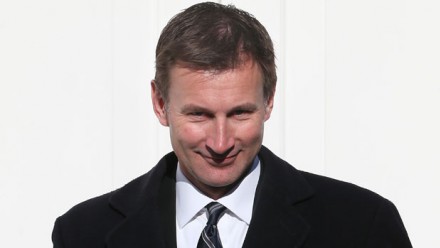
In the same week that the Minister for Women, Maria Miller announced that she would back a reduction in the abortion limit from 24 to 20 weeks, the health secretary, Jeremy Hunt has announced that he backs the reduction of the limit further, to just 12 weeks.

Miller’s support of lowering the abortion limit from the current 24 weeks to 20 weeks, is not a decision backed by medical science, or the Royal College of Obstetricians and Gynaecologists, which announced in 2009 that it had found no medical evidence to justify such a cut. Similarly, Hunt’s support for a 12 week limit on abortions, though a decision he says he came to “after studying the evidence”, although he hasn’t yet cited the evidence for this decision. He has also denied that his faith has been one of the driving forces for his decision.

But just as Miller’s support for a 20 week limit has been met with derision, so has Hunt’s desire to cut the limit to 12 weeks, a decision slammed by the Royal College of Obstetricians and Gynaecologists, who have criticised Hunt’s stance on abortion. Speaking to The Times their spokesperson Kate Guthrie said:

“The politicisation of women’s health is absolutely shocking. Politicians talk about putting patients at the centre, which is quite right.

How is the woman at the centre of her healthcare with something like this?

If everybody had to have abortions by 12 weeks, my worry would be that women would be rushed into making decisions: ‘I have to have an abortion now or I can’t have one.’

That’s an absolute shocker. You will absolutely create mental health problems if you start dragooning women into making decisions before they have to.”

Abortion is a sensitive issue; it is a difficult issue for some people, but above all else, it is an issue that should concern the women who are experiencing a surprise pregnancy. Women deserve the right to have autonomy over their own bodies, we are entitled to make the decision to end or continue a pregnancy if that is what we want to do. The decision to have an abortion is a difficult one, and is influenced by many factors, not least by the existing time limits.

Let me be frank, Miller and Hunt’s desire to lower the abortion limit will not mean fewer abortions will be carried out. It will mean that women that rely on the NHS will be forced to make a decision with very little time to spare, while women with money will be able to afford to access an abortion in other countries with a higher time limit. Those women without the means to pay for their own abortion, or ability to travel to another country to have one will be left with fewer options and a lot of desperation and worry. Desperation will cause women who want to end their pregnancy to turn to unlicensed backstreet abortion which led to hundreds, if not thousands of women contracting serious illnesses, becoming infertile or dying from their injuries. The amount of women who became ill or died following an illegal abortion before 1967 cannot be verified, but it is estimated that 47,000 women have died because of unsafe abortion. Is this what we want for women in the UK?

Unwanted pregnancy rates need to be targeted by the government, but not by reducing the abortion time limit. Improving access to contraception would help deal with the issue. This has been proven time and time again by studies, with the most recent one, carried out by Washington University in St Louis, concluding that better access to contraception means fewer abortions. In addition, improving pre-natal testing for genetic abnormalities, would help make parents more aware of any issues with a pregnancy well in advance of the 24 week mark. As would working to stop end any delays that some women considering abortion may face.

So, Miller, you’re Minister for Women, start acting like you’re on our side; stop describing yourself as “a very modern feminist” and trust women to make the right decisions about our own bodies and futures. As for Hunt, the Health Secretary should recognise that lowering the abortion limit will not mean fewer abortions, it will mean fewer documented abortions and more women putting their lives at risk in order to end a pregnancy that they either cannot or will not continue with due to choice, or the health of the foetus. Late abortion is accounts for a very small percentage of abortions in the UK, less than 2% of the 200,000 abortions carried out in England and Wales in 2011, were late-term abortions.

If Hunt and Miller were really interested in stopping unwanted pregnancies, they would start by looking at access to contraceptives and improving sex education, not by punishing women who have an unexpected or non-viable pregnancy. This is the latest step in the Conservative’s war on women, and we must fight to make sure that all women have access to safe and legal abortion – should they need or want one.

Is This Chortle’s Idea of a Joke?

2 Oct

Today, the comedy website Chortle (which I won’t link to, because frankly they’ve had enough traffic for one day) published a piece in their Correspondents section – part of their website where comedians write “first person opinion pieces” about issues affecting comedy – by a comedian called Mike Sheer. The blog, (which again I won’t link to, because it’s had enough hits for one day) was called ‘Women or Rape: Which is Less Funny?’ and was seemingly, Sheer’s attempt to answer, once and for all, that age-old question of whether women are funny, by comparing women to every Fringe comedian’s joke du jour: rape.

In the piece, Sheer decided that while women aren’t really that funny, an idea he explained by using several incredibly humourless and brutally offensive anecdotes about women getting an easier time of it because they’re “weak and soft”, they were less funny than rape jokes. Although, he was in support of rape jokes in general as the censorship of them, according to Sheer, is “abhorrent”.

The piece, as you can imagine, was not received very well online, and on Twitter at least, people are already announcing that Sheer’s career is over, and Chortle has come under heavy criticism for publishing the article. However, Sheer has had some support, not least from fellow comedian James W. Smith who revealed in his blog that the piece originally appeared on Sheer’s personal blog, and was republished by Chortle. Smith’s blog actually gets to the real crux of the issues with Sheer’s piece, which is that while he knows him personally and also his comedy style, Chortle should not have republished his work.

Herein lies on of the many problems with Sheer’s article. The internet, unlike the human mind, doesn’t come with a sarcasm alarm; no klaxon sounds in our ears when we read something that the author has intended as a joke, albeit a very unfunny and sexist one. The fact that Sheer is not very well-known, and his views on the subjects of rape and women appear to be so extreme means that a lot of people are going to read what he’s written as opinion, not humour. Additionally, when you write such sexist material you’re going to elicit a response that you haven’t prepared for.

However ‘hilarious’ Sheer’s intentions might have been when he wrote his article, Chortle’s decision to repost it is what really concerns me, as does their response to the online reaction the piece has caused. Chortle’s Editor, Steve Bennett was quick to defend the article saying “…we’re not about causing needless offence” before stating that the piece was about making fun of issues of censorship and arguments about what is appropriate inside the comedy circuit. However, Bennett didn’t apologise and he ended his statement by admitting that he found the negative reaction funny, saying: ” The fact people have taken this article seriously might be the funniest thing I’ve ever heard, outside a fart.”

Whether Sheer’s piece is simply a poor attempt at satire, or a platform for him to make a better name for himself by being controversial, the fact remains that the continuing popularity of rape jokes in the national and international comedy circuit must be addressed. Bennett’s defence of Sheer’s work, which veers on the standard response of “It was just a joke” reveals a lack of understanding and empathy for the power that any writing about rape has on people, or the gravity of the depth of feeling towards the use of rape jokes in the comedy circuit.

Put simply, any fool could make a rape joke, and it seems like most fools do, especially if they are paid to go on a stage and say it in front of hundreds of people. However, the way many comedians use rape as a source of their jokes doesn’t do anything for the crime or its victims. Recent incidents, such as when the American comedian Daniel Tosh, who dealt with a women in the audience who disagreed his statement that “rape jokes are always funny” by saying: “Wouldn’t it be funny if that girl got raped by like, five guys right now? Like right now? What if a bunch of guys just raped her…” reveal that more and more comedians view rape victims as something to be laughed at. In Tosh’s case, he used the threat of gang rape; a brutal and repugnant act of sexual violence, in order to silence a woman who merely disagreed with his material.

Rape is a violent crime, it is not about sex or desire, it’s about power and control, it’s about one or more people violating another human being in the most despicable and inhumane way. We must find a way to talk about it more, to help end the stigma that exists in our society that stops victims for coming forward out of fear of not being believed. The same stigma that vilifies the victim through the use of cruel practises like victim blaming, where society blames the rape victim for any reason, such as walking home late at night, being in a relationship with the rapist, being drunk, having had a drink, or simply for wearing a short skirt. Telling rape jokes like the ones that Tosh et al have championed is not the way. If anything, the rapists are the ones most deserving of a dose of satire, of jokes and of laughter because they have to prey on others for their own twisted and pathetic pleasure.

So what next for Sheer and Chortle? While it looks like they tried to do something different with this piece, they’ve offended a lot of people, regardless of their intent. An apology issued by both Sheer and Chortle would go some way to make up for the offence caused by the article, as would make a donation to a rape charity or a local rape crisis centre. In the meantime we can only wait and see what happens next.

The Last Employee (Der Letzte Angestellte)

1 Oct

Der Letzte Angestellte

Germany/2010/83 mins/Dir: Alexander Adolph

[rating:4]

A good old-fashioned ghost story lies at the heart of Alexander Adolph’s chiller, The Last Employee (Der Letzte Angestellte). Featuring themes of mental ill-health, revenge, unemployment and the unknown, this German horror film brings the ghost story into the 21st century, with startling results.

When David (Christian Berkel) begins his new job of liquidating a failing company after three years of unemployment due to mental ill-health, he meets the unstable, but seemingly harmless former worker Mrs Blochs (Bibiana Beglau). But Mrs Blochs’ own mental health issues soon arise and she begins threatening David and his family, leading David to doubt his work, and perhaps more importantly, his sanity.

Adolph’s modern ghost story is a tense and clever addition to the horror genre that taps into a number of common fears. Stripped of excessive special effects and complicated plot twists, this ghostly tale is both unsettling and mesmerising, as the story of a simple family man returning to work becomes something altogether more frightening, haunting and deadly. Combining issues of mental health, the loss of control following unemployment and bereavement, Adolph’s film preys on our most powerful weapon: the monsters and fears that live in our minds. This is a film for anyone who’s ever taken a job that they don’t want to do, or had to work late in a deserted office, where the many of the daytime sounds of the office take on a more sinister tone after dark. The power of The Last Employee lies in its combination of all that is mundane and familiar, with themes of the unnatural, the supernatural and claustrophobia lead the film to its brutal conclusion. Eerie and unforgettable, this film perfectly recreates the tensions of the cinematic ghost story for a contemporary and cynical audience with ease.

KNUT

DIY or DIE

Deeply Fascinating

Thoughts on contemporary performance

Lili La Scala

a collection of words and pictures

The Arabic Apprentice

A native English speaker's attempts to master Arabic

Stroppy Editor

Minding other people’s language. A lot.

Keren Nicol

Thoughts from an arts marketer living in in Scotland. Not always about arts marketing

EYELASHROAMING

A blog by Ashleigh Young

monica byrne

novelist . playwright . screenwriter

CaptainAwkward.com

Don't need to be cool to be kind.

Benjamin Studebaker

Yet Another Attempt to Make the World a Better Place by Writing Things

Thao Votang

fiction author

Annalisa Barbieri

Writer and broadcaster

The FlavNav

Navigating my way around the world to get my life back